8 Home Design Trends Taking Over in 2026 (And How to Add Them)
Every summer brings a shift in how people want their homes to feel, and 2026's shift is measurable not just editorial opinion. Search data from early 2026 shows some genuinely dramatic jumps in what homeowners are looking for: searches for "French courtyards" are up 481% year-over-year, "arched range hood" is up 177%, and "rust colors" have nearly tripled. Those aren't small trend blips; they reflect a real shift toward softer shapes, earthier colors, and outdoor spaces that feel like a getaway rather than just a backyard.
Here's what's actually driving those numbers, and practical ways to bring each trend into your own home without a full renovation.
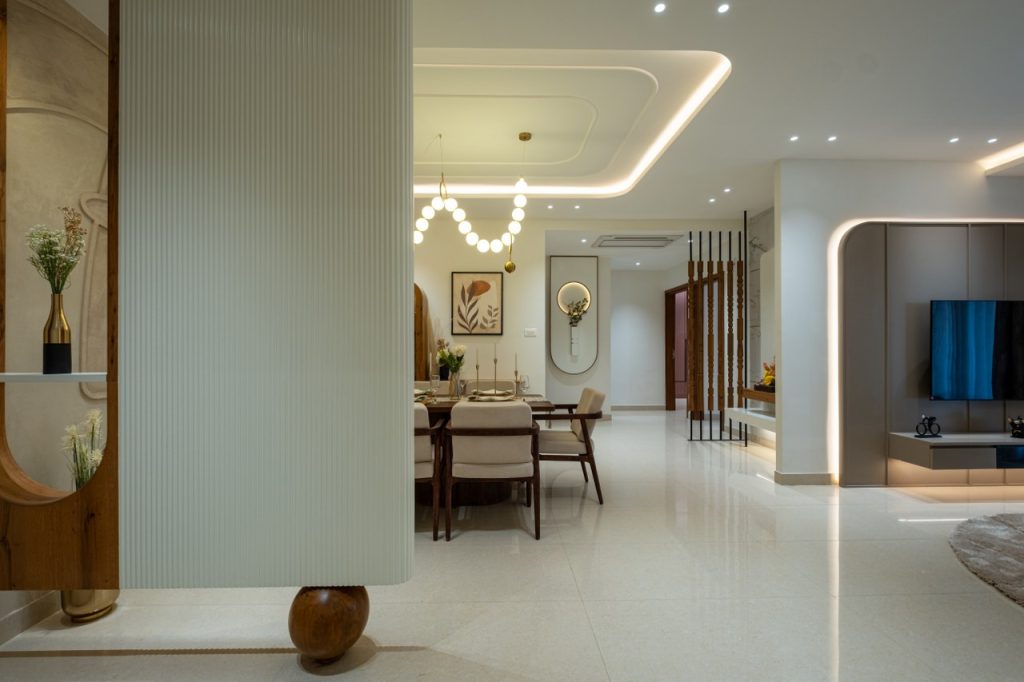
1. Curved, Soft Shapes in the Kitchen
Sharp angles are giving way to gentler, rounded silhouettes throughout the home, and the kitchen is where it's showing up fastest. Searches for arched range hoods are up 177%, arched pantry doors are up 130%, rounded kitchen islands are up 123%, and curved staircases have climbed 66%.
-p-2000.webp)
How to add it:
- Swap a straight-edged kitchen island for one with a curved end, or add rounded counter stools to soften an existing straight island
- Look for scalloped-edge shelving or cabinet hardware as an easy, lower-cost way to bring the shape in
- If you're not renovating, a single arched mirror or curved side table can introduce the look without touching the kitchen itself
2. Earthy, Grounded Color Palettes
Interiors are moving away from cool, stark neutrals toward warmer, nature-inspired tones. Rust colors have nearly tripled in search interest, chocolate brown is up 2.5x, mushroom color is up 69%, olive green is up 57%, sage is up 55%, taupe is up 50%, and cream has climbed 44%.
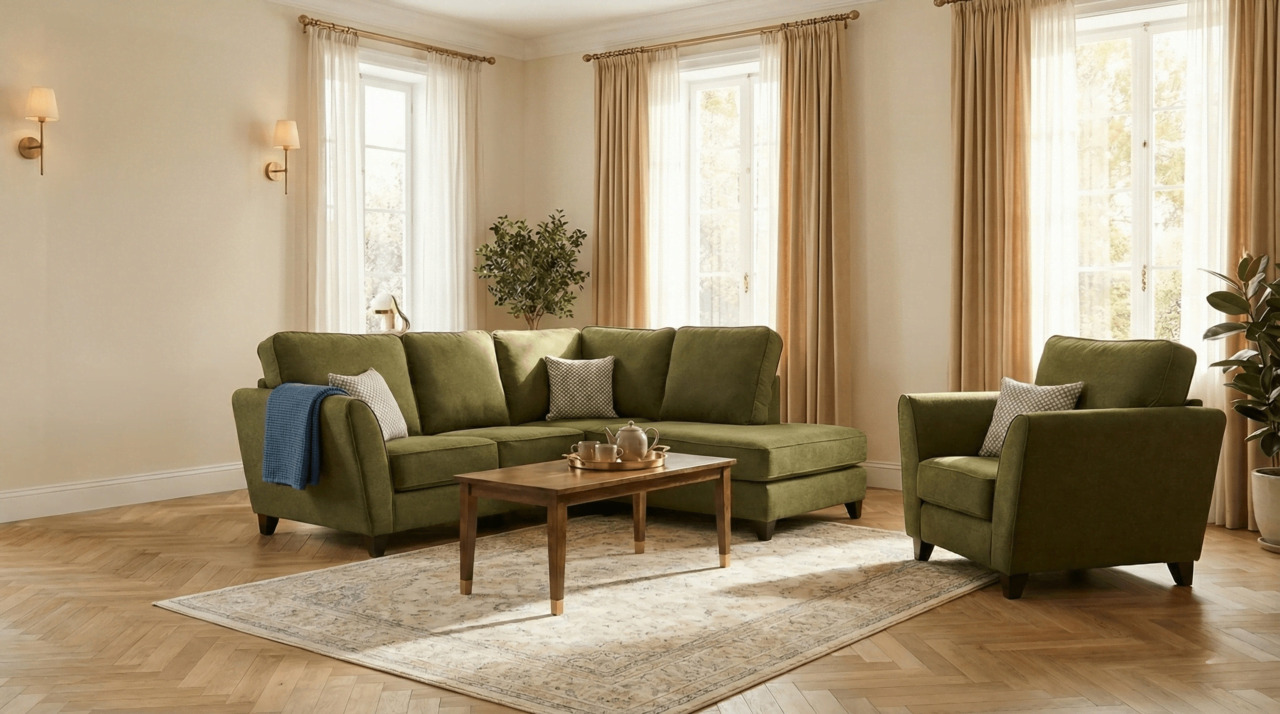
How to add it:
- Start with accents, not walls a rust or olive throw pillow, a sage-colored vase, or a chocolate-brown throw blanket tests the palette without commitment
- Layer two or three of these tones together (say, taupe walls with olive and rust accents) rather than picking just one, since the trend is about depth, not a single statement color
- If you're repainting, consider a mushroom or taupe base both work as a warmer alternative to standard greige without feeling like a bold departure
3. European-Inspired Courtyards and Patios
This is the most dramatic shift in the data: French courtyard searches are up 481%, Italian courtyards are up 352%, cottage patios are up 204%, and English cottage patios are up 131%. It reflects a broader craving for outdoor spaces that feel considered and destination-like, rather than a plain slab patio.
How to add it:
- Add structure with crisp garden bed edging and distinct planting layers rather than one undefined green area
- A small water feature or a few sculptural stone planters set on gravel go a long way toward the "orderly European garden" feeling, even in a modest space
- Climbing roses, potted lavender, or other rambling greenery along a wall or trellis reinforce the cottage-garden look without a full landscaping overhaul
4. Warm Minimalism
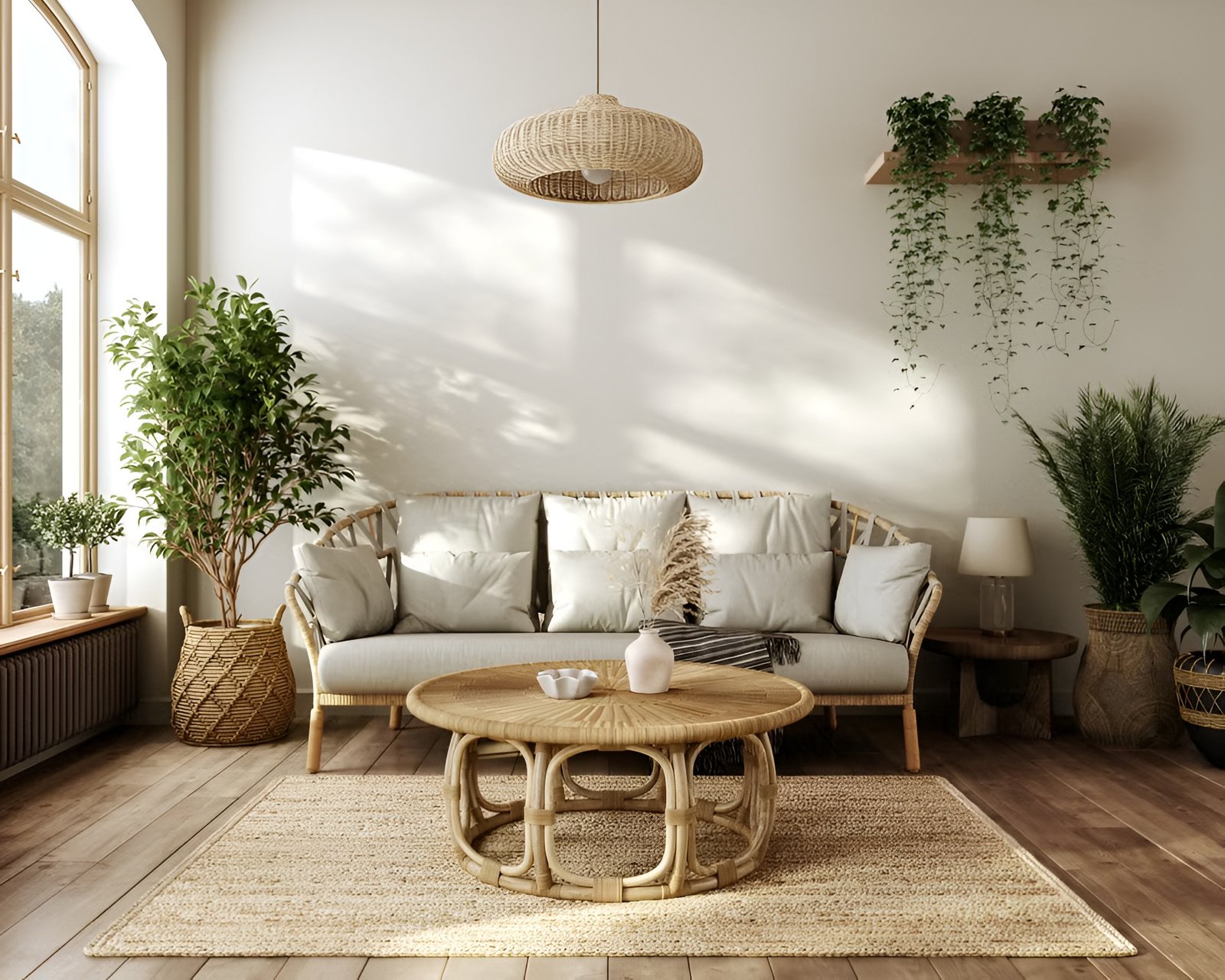
Traditional minimalism's stark, clinical feel is softening into what designers are calling "warm minimalism" the same simplicity and uncluttered layout, but with natural textures, tactile materials, and soft neutrals layered in so the space still feels lived-in rather than sparse.
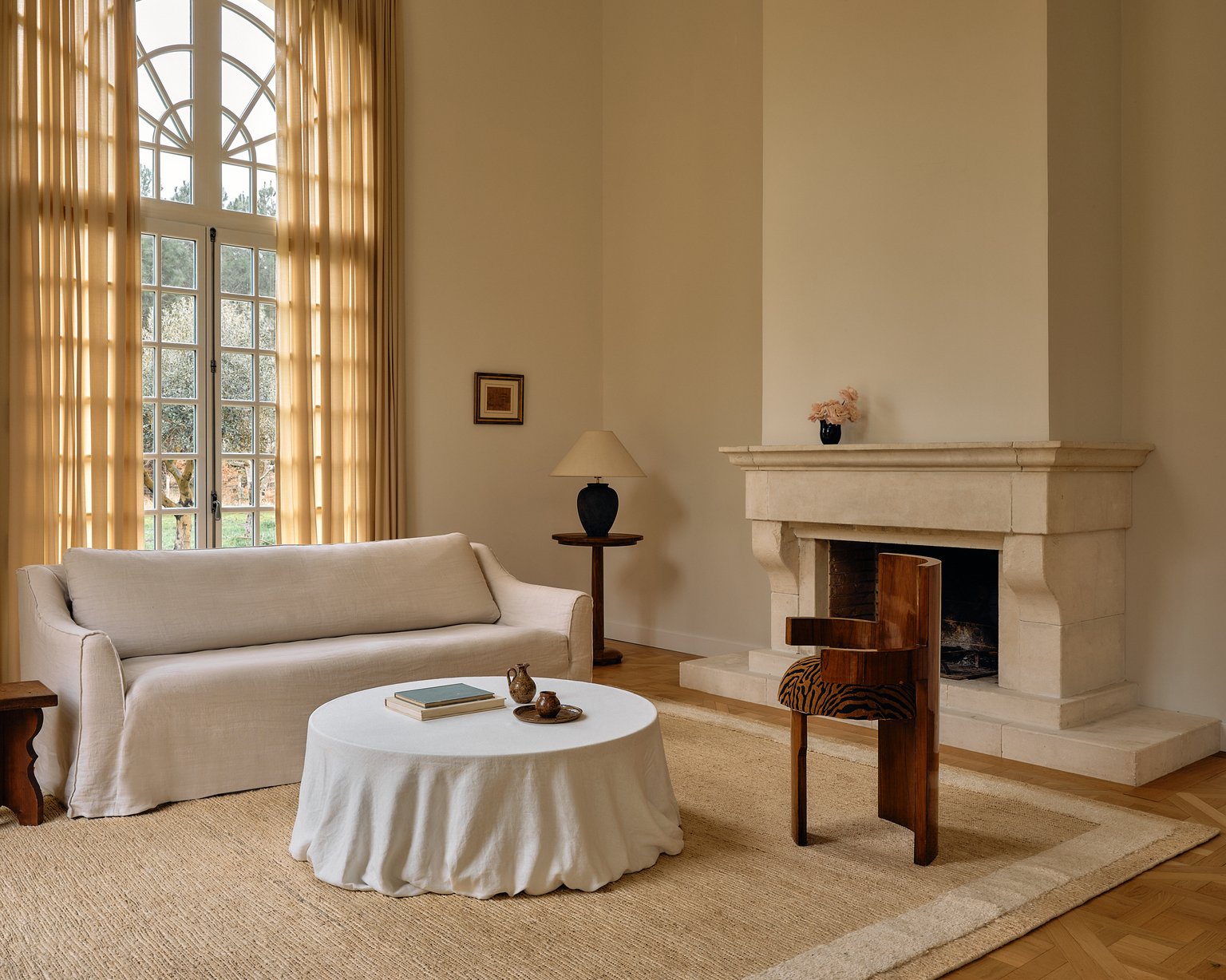
How to add it:
- Keep your existing minimal layout, but introduce one or two natural-texture pieces a woven jute rug, a linen throw, or unfinished wood accents
- Favor soft, warm neutrals (cream, sand, warm taupe) over stark white or cool grey when refreshing wall color
- Resist the urge to fully declutter every surface a small stack of books or a single ceramic piece adds warmth without breaking the minimal aesthetic
5. Spa-Inspired Bathrooms
Bathrooms are increasingly being designed around daily-use luxury rather than pure function: heated floors, rainfall showerheads, and freestanding tubs are showing up more often in remodels, alongside practical upgrades like water-saving fixtures and improved storage and lighting.
How to add it:
- A rainfall showerhead attachment is one of the most affordable upgrades on this list and can be added without a full bathroom remodel
- Heated towel bars offer a similar "spa" feeling at a much lower cost than heated flooring
- Improving bathroom lighting (warmer bulb temperature, added task lighting near the mirror) is an inexpensive change that noticeably elevates how the whole room feels
6. Designing for Multigenerational Living
With more households spanning multiple generations under one roof, accessibility is increasingly built into the initial design rather than added later. This includes single-level layouts, wider walkways, curbless showers, grab bars, and easy-reach storage like large, low drawers.
How to add it:
- Even without a full remodel, replacing upper cabinet storage with pull-out lower drawers improves accessibility immediately
- Adding a grab bar in the shower is a low-cost, high-impact safety upgrade that doesn't have to look institutional many current designs blend in with modern bathroom hardware
- If you're planning any renovation, consider whether a curbless shower entry is feasible now rather than retrofitting later
7. Textured Surfaces With Depth
Beyond color, texture itself is having a moment surfaces that add tactile depth rather than a flat, uniform finish. This pairs naturally with the earthy color shift, since textured, natural materials tend to carry these warmer tones especially well.
How to add it:
- Textured throw pillows, a chunky-knit blanket, or a woven wall hanging add depth without a renovation
- Consider a textured accent wall (limewash, plaster finish, or wood paneling) in one room rather than committing to it throughout the house
8. Transparent, Digitally-Planned Renovations
This one is more about process than aesthetics: homeowners are increasingly expecting 3D floor plans, AR walkthroughs, and clear digital project timelines before committing to a renovation, driven by a widely reported struggle to visualize finished spaces from traditional plans alone.
How it affects you: If you're planning a renovation this year, ask your contractor or designer whether they offer 3D visualization tools before work begins it's increasingly standard, and confirming the finished look upfront reduces the risk of an expensive surprise.
How to Prioritize If You Can't Do It All
Not every trend deserves an equal-sized budget. If you're picking just one or two to start with:
- Lowest cost, highest visual impact: Earthy color accents (pillows, throws, a single accent wall) and a rainfall showerhead upgrade
- Best for a small project: Curved counter stools or scalloped shelving to introduce soft shapes without a full kitchen remodel
- Best long-term investment: Accessibility features (grab bars, pull-out storage) if you're planning to stay in your home long-term
Frequently Asked Questions
Do I need to fully renovate to follow these trends? No. Most of these trends can be introduced through accessories, accent colors, and smaller fixture swaps (showerheads, hardware, textiles) without touching the structure of a room.
Which 2026 home trend is growing the fastest? Based on year-over-year search data, European-inspired courtyards and patios show the steepest growth, with French courtyard searches up 481% and Italian courtyard searches up 352%.
Is warm minimalism different from regular minimalism? Yes. Traditional minimalism emphasizes stark simplicity, while warm minimalism keeps the uncluttered layout but adds natural textures, tactile materials, and softer neutral tones so the space feels warmer and more lived-in rather than sparse.
The Bottom Line
2026's home trends share a common thread: softer shapes, warmer and more grounded colors, and outdoor and indoor spaces that feel intentional rather than default. You don't need a full renovation to catch up start with an accent color, a textured throw, or a single curved detail, and build from there based on what actually fits your space and budget.