Struggling to fall asleep fast? These 10 science-backed tips help you fall asleep in minutes sleep deeper and wake up restored. Read before another sleepless night.
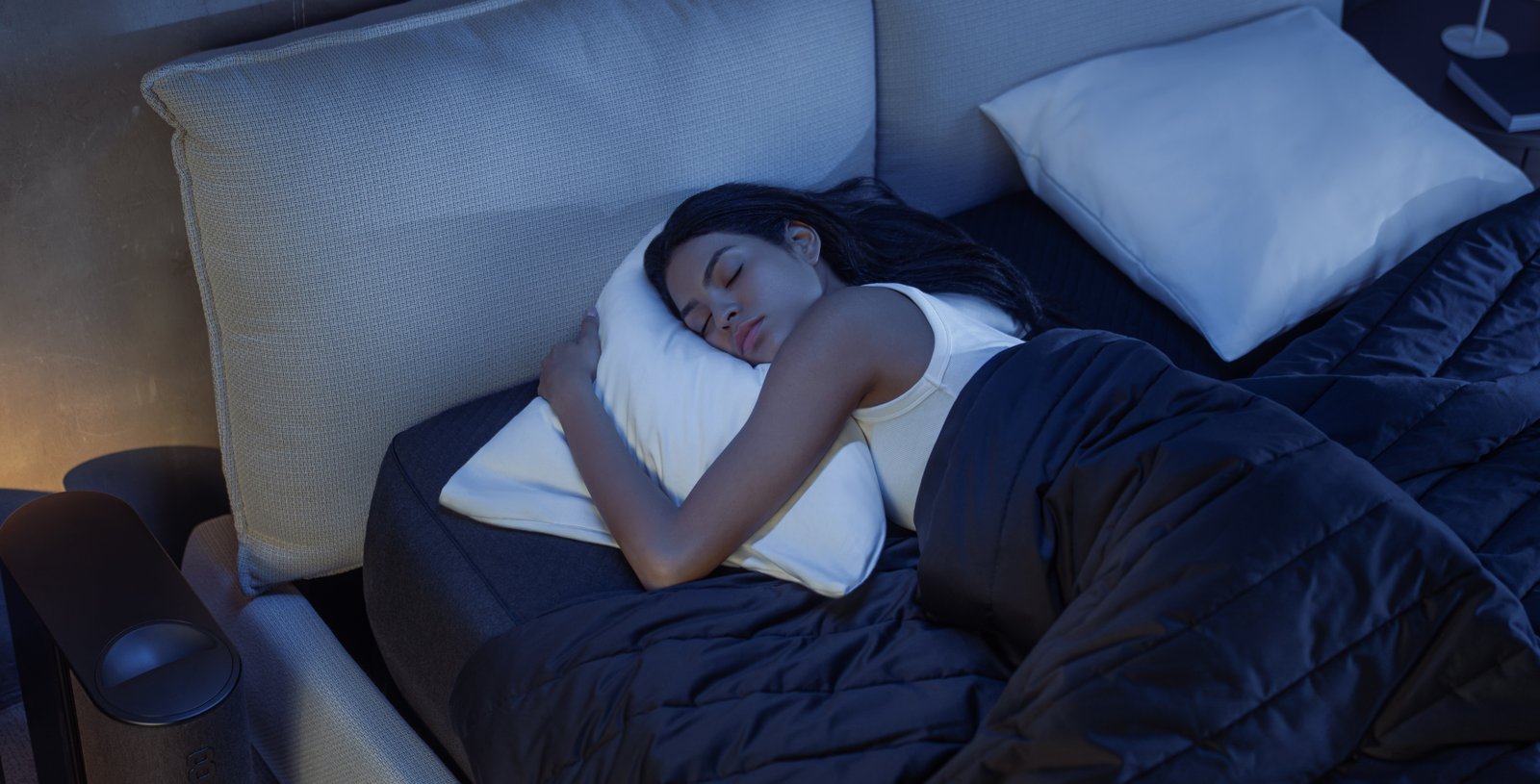
Caption: Quality sleep starts before you close your eyes — the right habits make all the difference
You close your eyes. Thirty minutes pass. You check your phone. Another hour goes by. You are exhausted but your brain simply will not switch off.
If this sounds familiar you are not alone. Sleep onset insomnia the inability to fall asleep within about 20 minutes of lying down affects millions of adults every single night. And the consequences go well beyond feeling tired the next morning. Chronic poor sleep is linked to impaired cognitive function weakened immune response elevated stress hormones and a significantly increased risk of long term health problems.
The good news is that falling asleep faster is not about willpower. It is about understanding how your body prepares for sleep and making simple targeted changes that work with your biology rather than against it. The most important thing related to sleep is to remain consistent and disciplined in prioritising healthy sleep habits.
Here are 10 proven science backed strategies to help you fall asleep faster tonight and every night after that.
1. Set Your Bedroom Temperature to the Sleep Sweet Spot
This is the single most impactful environmental change you can make for faster sleep onset and it is one that most people overlook entirely.
The ideal sleep temperature is often somewhere from 60 to 68 degrees Fahrenheit but this can vary widely from person to person. Your core body temperature naturally needs to drop by one to two degrees Fahrenheit to trigger the biological transition into sleep. A bedroom that is too warm prevents this from happening efficiently keeping you alert restless and awake long after you wanted to be asleep.
Setting your room to 65 to 68 degrees Fahrenheit creates the optimal thermal environment for fast sleep onset and deeper sleep stages throughout the night. If you cannot control your room temperature precisely a cooling mattress pad breathable bedding or a fan directed away from the bed can create a similar effect.
Practical tip Set your thermostat one hour before your target sleep time so the room reaches the right temperature before you get into bed rather than when you are already lying there trying to fall asleep.
2. Dim the Lights at Least 90 Minutes Before Bed
Dimming lights in the evening can help you drift off faster. Your body produces melatonin the hormone that signals it is time to sleep in response to darkness. Bright overhead lighting in the evening suppresses melatonin production effectively telling your brain that it is still daytime.
Begin reducing light levels around 90 minutes to two hours before your target sleep time. Switch from overhead lighting to floor lamps table lamps or warm coloured smart bulbs set to low intensity. Use warm white or amber light rather than cool white which mimics daylight. Candlelight is also an excellent light source for the pre sleep window as it produces almost no blue wavelength light.
Practical tip Set a phone reminder 90 minutes before your bedtime labelled simply as dim lights to build consistency.
3. Stop Using Screens One Hour Before Bed
Blue light blocks melatonin production and keeps you alert. The stimulating content also keeps your mind active when it should be calming down.
Smartphone tablet laptop and television screens emit high intensity blue wavelength light directly into your eyes at close range. Even with blue light filter modes enabled the light reduction is incomplete. Furthermore social media news email and entertainment programming create emotional engagement that keeps your nervous system in an alert state.
The evidence based recommendation is a complete screen free period of at least 60 minutes before bed. Replace screens with reading physical books journaling gentle stretching or listening to calm music.
Practical tip Charge your phone outside your bedroom to eliminate the temptation to check it after you get into bed.
4. Use the 4-7-8 Breathing Technique
Developed by Dr. Andrew Weil the 4-7-8 breathing technique is a simple yet effective method for promoting relaxation by slowing the heart rate and activating the parasympathetic nervous system.
The extended exhale in the 4-7-8 pattern is particularly effective because it directly stimulates the vagus nerve which signals your heart to slow and your body to relax. This counteracts the fight or flight stress response that elevated cortisol and racing thoughts activate.
How to practice Lie in bed in a comfortable position. Inhale quietly through your nose for a count of four. Hold your breath for a count of seven. Exhale completely through your mouth for a count of eight making a gentle whooshing sound. Repeat this cycle three to four times.
Practical tip Practice the 4-7-8 technique for two minutes every night regardless of whether you feel you need it so your body begins associating the pattern with sleep onset.
5. Try the Military Sleep Method
The military sleep method is one of the most popular techniques adapted from the US Navy. In this method you relax your body bit by bit starting with the muscles in your face before moving to your upper body and then your lower body. This method often helps people fall asleep within two minutes.
How to practice Start by relaxing your entire face forehead jaw tongue cheeks and the muscles around your eyes. Let your shoulders drop completely. Relax your arms hands and fingers. Take a deep breath and let your chest go soft. Relax your legs from the thighs down to the ankles and feet. Once your body is fully relaxed spend ten seconds visualizing a calm scene or repeating the words do not think over and over.
Practical tip The military method becomes significantly more effective with practice. Give it two weeks of nightly use before evaluating its performance.
6. Stick to a Consistent Sleep Schedule Every Day Including Weekends
Stick to a regular sleep schedule especially on weekends. This helps your body know when it is time for bed. Your circadian rhythm governs the release of melatonin and the drop in core temperature based on the consistency of your sleep and wake times.
When you go to bed and wake up at different times across the week you disrupt the circadian rhythm in exactly the same way that crossing multiple time zones does causing mild circadian misalignment.
The single most powerful long term intervention for improving sleep onset speed is picking a consistent wake time and maintaining it every day without exception.
Practical tip Set your wake alarm and do not snooze it. Getting up at the same time every morning is the fastest way to reset a disrupted circadian rhythm.
7. Get Morning Sunlight Within 30 Minutes of Waking
Getting some sunlight can regulate your sleep. Bright natural light in the morning sends a strong signal to your suprachiasmatic nucleus the part of your brain that controls circadian timing that the day has started. This sets a biological timer for when melatonin production will begin in the evening.
Research consistently shows that people who get regular morning light exposure fall asleep faster in the evening. The effect is strongest from natural outdoor light because outdoor light is five to ten times brighter than indoor lighting even on overcast days.
Practical tip Take a five to ten minute walk outside within 30 minutes of waking every morning to capture natural light exposure.
8. Avoid Caffeine After 2pm
Caffeine has a half life of five to seven hours in most adults meaning that a cup of coffee at 3pm still has half its caffeine content active in your bloodstream at 8pm. Caffeine works by blocking adenosine receptors in your brain which are responsible for building sleep pressure throughout the day.
When caffeine blocks these receptors your sleep drive is artificially suppressed even when your body genuinely needs rest. Limit caffeinated coffees teas and sodas late in the day and set a consistent caffeine cutoff time of 1pm to 2pm.
Practical tip Switch to herbal tea or warm water with lemon after 2pm. Chamomile valerian root and passionflower teas all have mild sedative properties that complement your body's natural sleep preparation.
9. Time Your Exercise Right
Exercise is an excellent tool for reducing sleep onset time but timing matters significantly. To avoid trouble sleeping finish exercising at least a few hours before bed to give your body time to cool down and relax.
Vigorous exercise raises core body temperature elevates heart rate and releases adrenaline and cortisol all of which are directly counterproductive to sleep onset. Morning and early afternoon exercise on the other hand builds adenosine sleep pressure throughout the day and reduces baseline stress levels.
For evening movement switch to lower intensity options like gentle yoga stretching or a slow walk to reduce muscle tension without stimulatory effects.
Practical tip Schedule your primary exercise session before noon when possible. If evening is the only time available finish at least 90 minutes before bed.
10. Optimise Your Sleep Environment Completely
Make sure your bedroom is comfortable quiet and dark. Choose a mattress sheets and pillows that you find comfortable. Environmental factors like light and sound can interfere with your sleep quality so if needed use an eye mask and ear plugs to limit light and noise.
Complete darkness is critical because even small amounts of light from electronics can suppress melatonin. Blackout curtains or a sleep mask are excellent investments. For sound management white noise or brown noise played at low volume can mask sudden external sounds that cause micro arousals.
Additionally using a weighted blanket has been shown to reduce anxiety and improve sleep quality through deep pressure stimulation which is highly useful for calming an overactive mind.
Practical tip Conduct a darkness audit of your bedroom tonight. Turn off all lights and look for any light leaks or device indicators that need to be addressed with blackout tape or solutions.
How Long Should It Take to Fall Asleep
In healthy adults sleep onset typically occurs within 10 to 20 minutes. Falling asleep significantly faster than this can indicate accumulated sleep deprivation while consistently taking longer than 30 minutes suggests underlying sleep disruption or behavioural factors affecting sleep latency.
If you consistently struggle despite implementing these strategies it may be worth discussing your options with a healthcare provider to explore targeted cognitive behavioural therapy for insomnia.
The Most Common Mistakes That Keep People Awake
Watching the clock
Checking how long you have been awake increases anxiety and cortisol making sleep physically harder. Turn your clock away from your line of sight entirely.
Trying too hard to fall asleep
If you tell yourself to stay awake rather than trying to force yourself to sleep you may actually trick your body into falling asleep faster. This technique is called paradoxical intention and it reduces the performance anxiety around sleep.
Using your bed for waking activities
If you work or watch television in bed your brain begins associating your bed with wakefulness rather than sleep. Keep your bed strictly for sleep.
Eating heavy meals close to bedtime
Having your last big meal two to three hours before bedtime is smart. Stay away from big or spicy meals late at night to prevent digestion disruptions.
Final Thoughts
Consistently falling asleep within 10 to 20 minutes of getting into bed is a skill you can learn. It is the result of a set of consistent habits and environmental conditions that work with your body's biology rather than against it. Start with one or two changes tonight and build up consistency over the coming weeks.
Frequently Asked Questions
How can I fall asleep faster tonight
Start with the room temperature set your bedroom to 65 to 68 degrees Fahrenheit. Then practice the 4-7-8 breathing technique after getting into bed to reduce physical tension.
What is the fastest way to fall asleep
The military sleep method which combines progressive muscle relaxation from face to feet with deliberate mental quieting can help people fall asleep within two minutes when practised consistently.
What temperature should my bedroom be for sleep
The evidence based recommendation is 65 to 68 degrees Fahrenheit for most adults as it accelerates the natural drop in core body temperature needed for sleep.
Does the 4-7-8 breathing technique work
Yes. The 4-7-8 technique activates the parasympathetic nervous system through extended exhale breathing directly reducing heart rate and stress hormones.
Why do I feel tired but cannot fall asleep
This pattern is commonly caused by elevated cortisol levels caffeine consumed too late in the day screen use before bed or a disrupted circadian rhythm.
Published by HuntGlow huntglow.com