
Mito Red Light Review 2026: Does It Actually Deliver on Its Promises?
Red light therapy is having a moment. Dermatologists mention it in interviews, pro athletes credit it for faster recovery, and skincare creators build entire routines around glowing panels of red and infrared light. One name shows up again and again in that conversation: Mito Red Light. But is the hype backed by anything real, or is this just another pricey wellness gadget riding a trend?
To find out, we looked closely at Mito Red Light's full lineup, sifted through a large volume of customer feedback, and dug into the underlying science of photobiomodulation. Here's what we found.
But is the hype backed by anything real, or is this just another pricey wellness gadget riding a trend? If you're still learning about the technology behind these devices, our guide on red light therapy panels explains how they work, their key benefits, and why they're becoming so popular in 2026 red light therapy panels
What Is Mito Red Light?
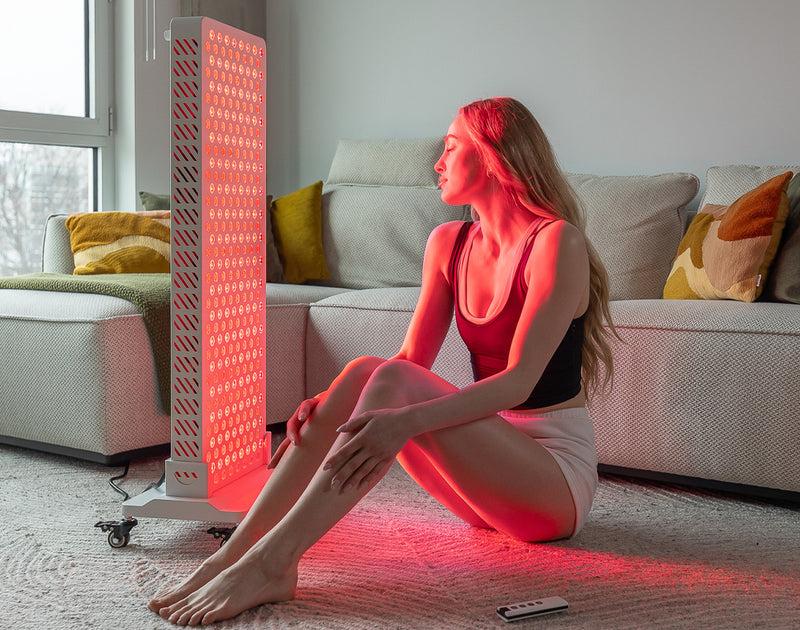
Mito Red Light is a US-based company founded by health-optimization advocate Scott Chaverri, built around a simple idea: make clinical-grade light therapy affordable for home use instead of something you only get at a specialty clinic. What started as a single two-wavelength panel has grown into one of the more complete red light therapy lineups on the market in 2026, ranging from handheld spot-treatment tools to full-body panels and even a wearable belt.
Customers use these devices for a wide variety of goals — athletes for muscle recovery, skincare users chasing firmer, more youthful skin, people managing ongoing pain or inflammation, and plenty of everyday users hoping for better sleep and more consistent energy. The underlying science is legitimate and well-studied, and Mito Red Light has built a reputation as one of the more transparent, research-oriented brands in this space.
Combining red light therapy with proper hydration may further support post-workout recovery, which is why we also compared Buoy vs Electrolit electrolytes to help you choose the right option.Buoy vs Electrolit electrolytes
How Red Light Therapy Actually Works
Before getting into specific products, it helps to understand the mechanism, because it's genuinely interesting and grounded in real biology.
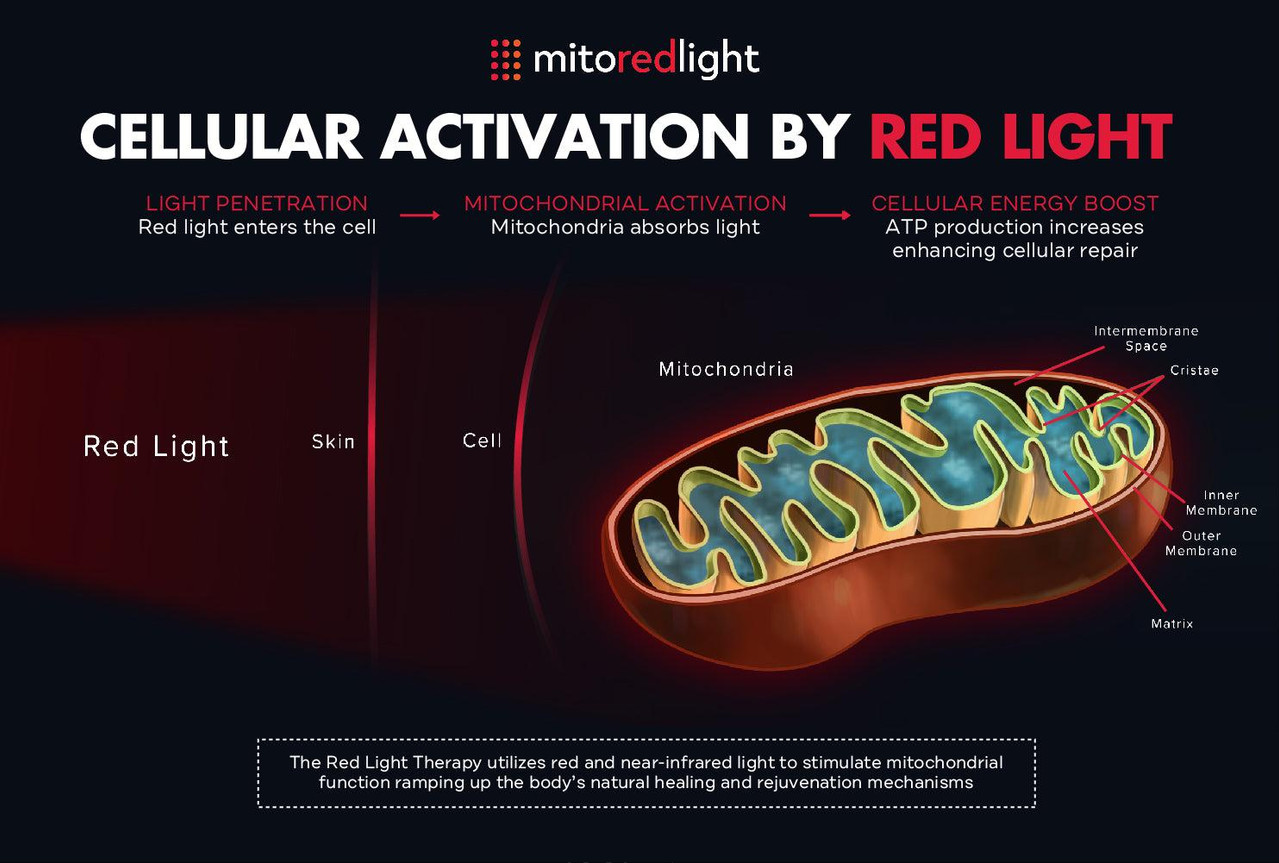
Red light therapy (also called photobiomodulation, or low-level light therapy) works by delivering targeted wavelengths of red and near-infrared light into the body. Mitochondria — the energy-producing structures inside cells — absorb this light through an enzyme called cytochrome c oxidase. That absorption sets off a chain reaction: more ATP (cellular energy) gets produced, mitochondria run more efficiently, oxidative stress drops, and cellular repair speeds up.
Practically speaking, this means cells simply function better after regular sessions — more energy, faster recovery from damage, more collagen production, less inflammation, and improved communication between tissues.
Two wavelength ranges matter most here:
- Red light (630–660nm) penetrates roughly 1–2mm into the skin, working mainly on the epidermis and dermis.
- Near-infrared light (810–850nm) goes much deeper — up to 3–4cm — reaching muscle, joints, and bone.
What the Research Actually Shows About Benefits
Rather than lean on vague marketing claims, here's a straightforward look at what the evidence supports.
Skin health and anti-aging. This is the most thoroughly researched benefit. Wavelengths around 630–660nm stimulate fibroblasts, the cells responsible for collagen production. Since natural collagen output starts declining after your early twenties, this is where wrinkles, sagging, uneven tone, and slower healing come from. Studies show measurable improvements in skin texture, fine lines, and collagen density after roughly eight to twelve weeks of consistent use. Mito Red Light's anti-aging setting relies specifically on 630nm red light for this reason.
Muscle recovery and performance. Near-infrared wavelengths (810–850nm) reach deep enough to affect muscle tissue directly, supporting mitochondrial function in skeletal muscle. The practical payoff is quicker recovery, less soreness after training, and better performance in following sessions. This is a big part of why the MitoPRO series has a following among athletes — its five-wavelength spread (630, 660, 810, 830, and 850nm) offers a broader treatment range than panels that only offer one surface wavelength and one deep wavelength.
Pain and inflammation. Both red and near-infrared light reduce inflammation by affecting reactive oxygen species and boosting cellular energy in irritated tissue. For chronic joint pain, arthritis, or soft-tissue injuries, this isn't a substitute for medical care, but it can be a useful, consistent supportive tool.
The Mito Red Light Lineup, Device by Device
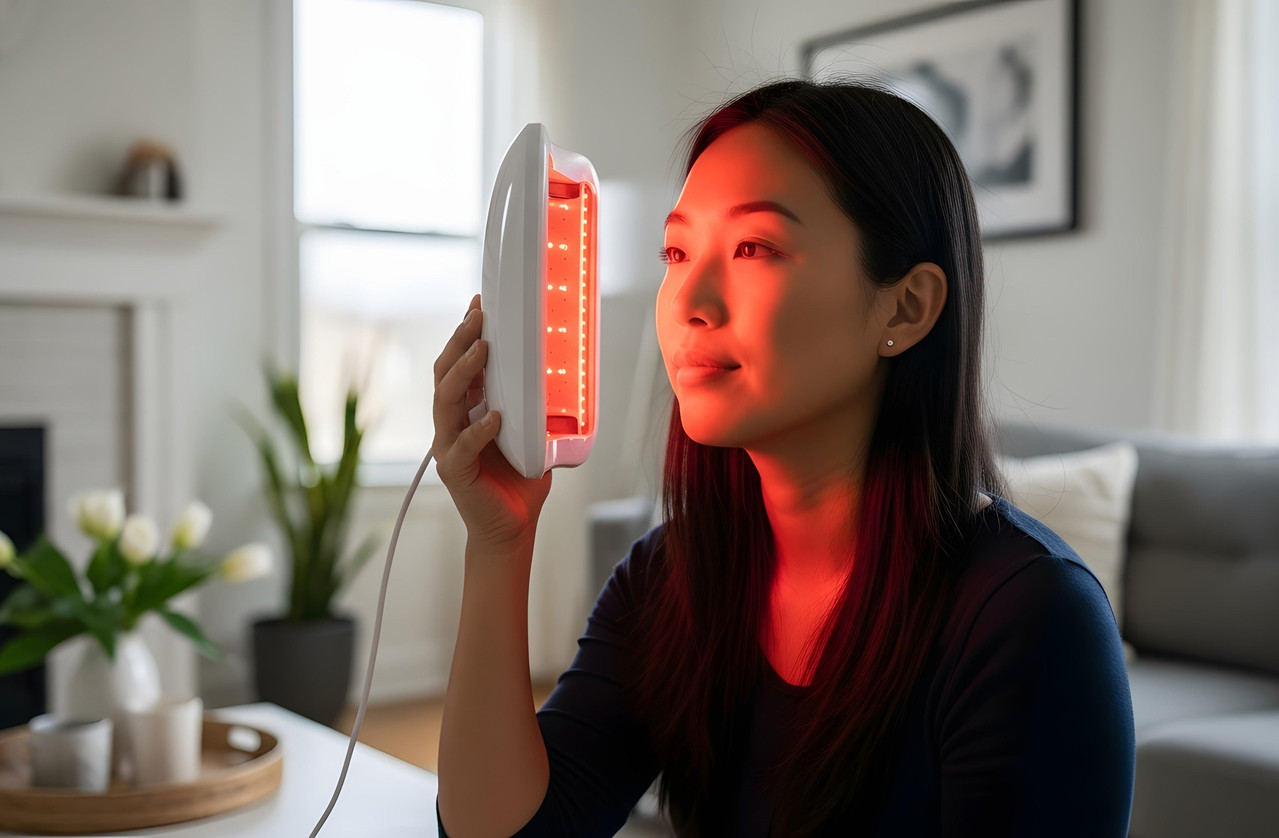
MitoMIN — the affordable, portable option. A handheld panel built for targeting specific spots like the face, neck, shoulders, or knees, using 660nm red and 850nm near-infrared light. It's HSA/FSA eligible in the US, so many buyers can pay for it with pre-tax health savings dollars.
MitoPRO series — the flagship panel. This is the line that built the brand's reputation. It runs five wavelengths (630, 660, 810, 830, and 850nm) through dual-chip 5-watt LEDs, which push more output than typical single-chip designs. It's been called out by Business Insider and several independent reviewers as one of the better-value multi-wavelength panels available.
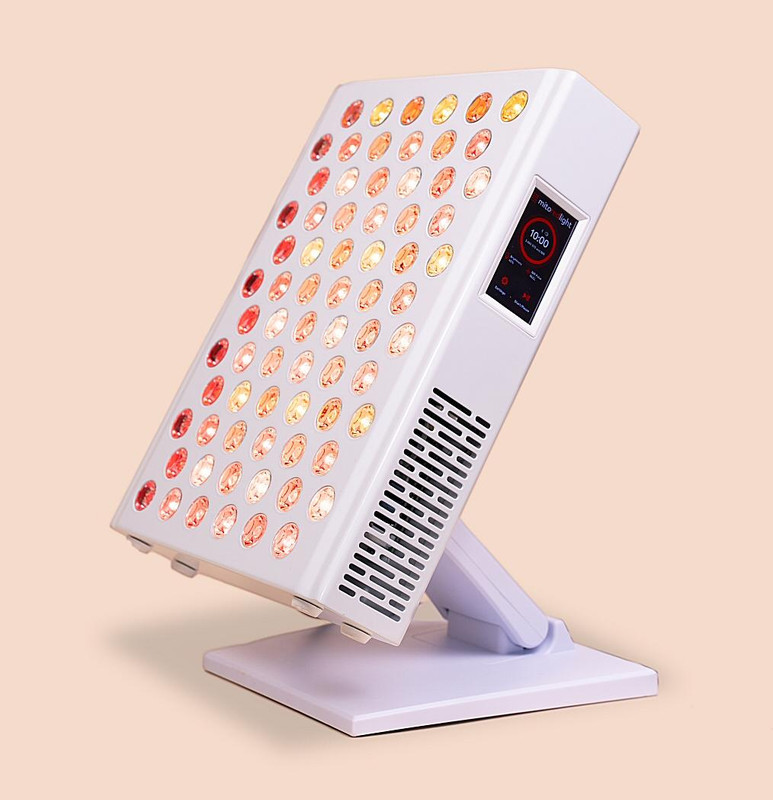
MitoADAPT 4.0 — the newest and most advanced model. Released for 2026, this device combines four wavelengths, five operating modes, and Mito's patent-pending TruDual chip design. Eleven possible mode combinations let you target skin tone, fine lines, collagen, joint and muscle support, circulation, metabolic activity, or general full-body recovery.
MitoQUAD Wavelength Belt — hands-free, wearable therapy. Built with TriChip technology and 405 LED diodes, this belt lets you move around during treatment instead of standing still in front of a panel — a feature athletes in particular seem to like.
What Customers Are Actually Saying
Feedback on Mito Red Light tends to skew notably positive, and much of it reflects longer-term use rather than one-off impressions. Athletes commonly mention quicker recovery between workouts and less lingering soreness as the first noticeable change. People using it for chronic pain often report improved joint comfort within two to four weeks of daily sessions.
Pros and Cons
Strengths:
- The multi-wavelength design across the MitoPRO and MitoADAPT lines covers both surface skin and deeper tissue needs in one device.
- Independent irradiance testing has backed up Mito's published output numbers.
- The lineup covers nearly every use case — portable spot treatment, full panels, and wearable options.
- HSA/FSA eligible in the US.
Weak points:
- Some buyers have flagged slow customer support response times.
- The MitoPRO series tops out at 850nm, leaving out the deeper 1064nm wavelength found on some competing panels.
- Build quality is solid and functional, but the devices lean utilitarian rather than premium in appearance.
Many long-term users also report feeling more relaxed in the evening, making it easier to wind down. If better sleep is one of your goals, these science-backed sleep strategies can help improve your nighttime routine.falling asleep faster naturally
Final Verdict: Is It Worth It in 2026?
Overall, yes. If you're looking for genuine at-home photobiomodulation therapy without the cost of clinic visits, Mito Red Light delivers a lineup backed by real science, verified output claims, and a large base of satisfied long-term users.
Whether your priority is skin, recovery, pain management, or general energy, there's a device in the range built for it. Our rating: 4.7 out of 5.
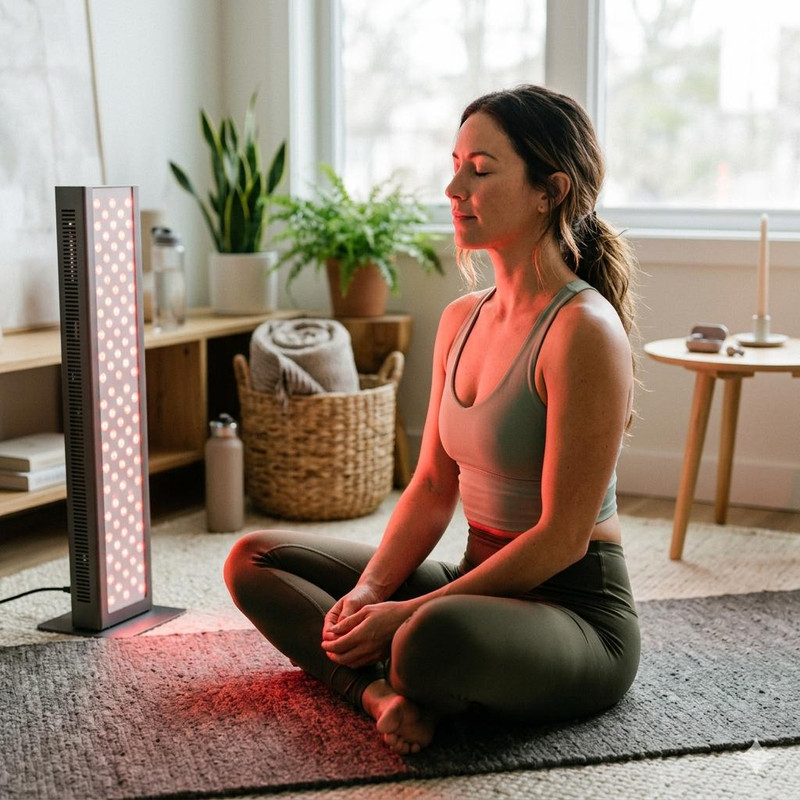
For athletes building a complete recovery routine, combining red light therapy with regular conditioning can be especially effective. You may also want to explore our guide to the best treadmills for soccer players in 2026 for performance-focused training options.best treadmills for soccer players in 2026
Frequently Asked Questions
What is Mito Red Light best known for? Primarily the MitoPRO series — multi-wavelength panels combining red and near-infrared light for both skincare and recovery use.
How long until I see results? Energy and mood changes are often reported within the first few days. Improvements in skin and joint comfort typically show up within two to four weeks. Full collagen-related skin benefits generally take eight to twelve weeks of consistent daily use.
Is red light therapy actually backed by science? Yes — there's a substantial body of peer-reviewed research supporting its use for skin health, muscle recovery, pain relief, wound healing, and hair growth.
Is Mito Red Light HSA/FSA eligible? Yes, in the United States, which means you can use pre-tax health savings funds to purchase.