Introduction
Just like humans, dogs need quality sleep to stay healthy, active, and emotionally balanced. Many pet owners focus on nutrition, exercise, and regular vet visits, but often overlook one of the most important aspects of their dog's well-being: sleep. A well-rested dog is generally happier, healthier, and more energetic throughout the day. Poor sleep can lead to behavioral issues, stress, anxiety, and even long-term health concerns.
Modern pet care has evolved significantly, and today many dog owners are investing in high-quality sleeping solutions that provide comfort, support, and security for their furry companions. From orthopedic beds to cooling mats and calming accessories, there are now numerous ways to improve a dog's sleeping environment. Understanding why sleep matters and how to create the ideal rest space can make a noticeable difference in your dog's overall quality of life.

Why Better Sleep Matters (Even for Dogs!)
Sleep plays a critical role in a dog's physical and mental health. During sleep, the body repairs tissues, strengthens the immune system, and processes daily experiences. Puppies require even more sleep because their bodies and brains are developing rapidly. Adult dogs typically sleep between 12 and 14 hours a day, while senior dogs may require even more rest.
When dogs do not get enough quality sleep, they may become irritable, anxious, or less responsive to training. Poor sleep can also affect their appetite, energy levels, and overall mood. Providing a comfortable and supportive sleeping environment helps ensure they receive the restorative rest their bodies need.
How Much Sleep Do Dogs Really Need?
Many dog owners are surprised to learn that dogs spend a large portion of their lives sleeping. The exact amount varies depending on age, breed, activity level, and health condition.
Puppies often sleep up to 20 hours per day because their bodies are growing rapidly. Adult dogs generally require 12 to 14 hours of sleep, while highly active working breeds may need additional rest to recover from physical activity. Senior dogs tend to sleep more frequently due to age-related changes and reduced energy levels.
Understanding your dog's sleep requirements can help you identify whether they are receiving enough rest or if adjustments need to be made to their sleeping arrangements.

The Pelsbarn Way: Designing for the Perfect Snooze
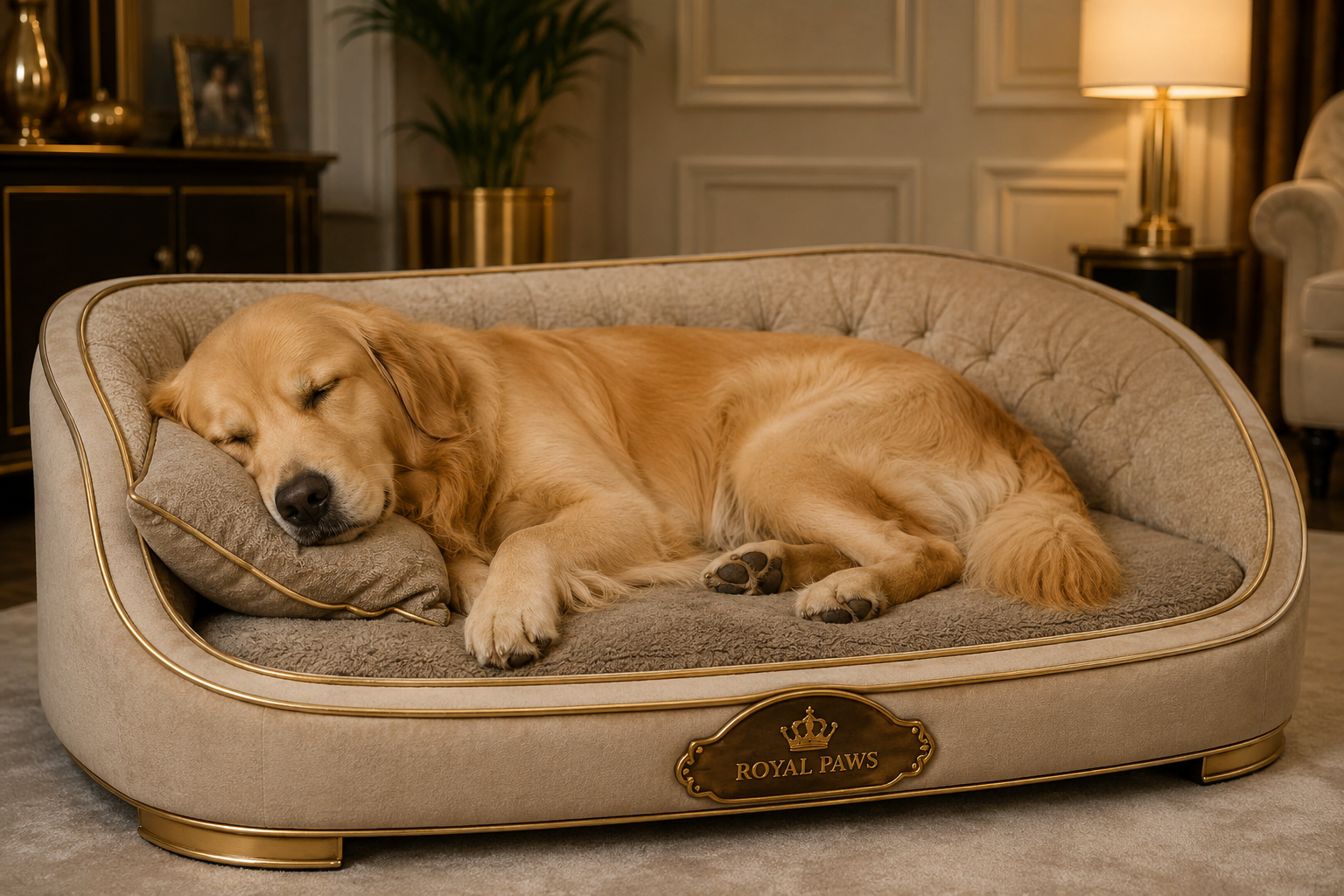
Creating the perfect sleeping environment involves more than simply placing a blanket on the floor. Modern pet products are designed with comfort, support, and relaxation in mind. High-quality dog beds help distribute body weight evenly, reducing pressure on joints and muscles.
Premium sleeping products often include orthopedic foam, cooling materials, and soft fabrics that enhance comfort while promoting healthy sleep patterns. These features are particularly beneficial for senior dogs, larger breeds, and pets recovering from injuries.
A thoughtfully designed sleeping area can significantly improve the quality of your dog's rest and contribute to long-term health and happiness.
Is Your Furbaby Actually Getting Good Sleep?
Many dogs appear to sleep frequently, but that does not always mean they are getting high-quality rest. Certain signs may indicate that your dog is struggling to sleep comfortably.
Common indicators include excessive restlessness, frequent position changes, difficulty settling down, increased irritability, and reduced daytime energy levels. Dogs experiencing discomfort from hard surfaces, joint pain, or temperature issues may have difficulty achieving deep, restorative sleep.
Monitoring your dog's sleeping habits can help identify potential problems before they develop into larger health concerns.

The Connection Between Sleep and Emotional Well-Being
Quality sleep affects more than physical health. It also plays an important role in emotional stability and stress management. Well-rested dogs are often calmer, more responsive, and less prone to anxiety-related behaviors.
When dogs experience consistent, uninterrupted sleep, they are better equipped to handle new experiences, training sessions, and social interactions. A comfortable sleeping environment can therefore contribute to both mental and emotional wellness.
Cooling Collection: Why Temperature Matters for Better Sleep
Temperature plays a major role in sleep quality. Dogs can become uncomfortable when sleeping surfaces retain excessive heat, especially during warmer months.
Cooling beds and temperature-regulating materials help maintain a comfortable sleeping environment by dissipating body heat. This can reduce nighttime restlessness and improve overall sleep quality, particularly for thick-coated breeds and dogs living in warm climates.
Providing a cooler resting surface can help dogs remain comfortable throughout the night.

Rest Beyond the Home: Comfort During Travel
Many dogs spend time traveling with their families. Whether visiting the veterinarian, going on road trips, or running errands, maintaining comfort during travel is important.
Protective backseat covers and travel accessories create a safer, cleaner, and more relaxing environment. Reducing stress during transportation can help dogs remain calm and comfortable even when away from home.
Supporting Relaxation with Calming Solutions
Some dogs naturally experience anxiety during storms, fireworks, separation, or travel. Calming supplements and enrichment products can support relaxation when used responsibly.
Products designed to reduce stress may help dogs settle more easily and enjoy deeper sleep. Combined with a comfortable sleeping space, these solutions can create an ideal environment for rest and recovery.
Mental Stimulation and Better Sleep
Mental exercise is just as important as physical activity. Interactive enrichment tools encourage dogs to focus, problem-solve, and engage their natural instincts.
When dogs receive adequate mental stimulation during the day, they often experience improved sleep quality at night. Activities that challenge the mind can help reduce boredom and support healthy sleep patterns.
Did You Know? Fun Facts About Dog Dreams 🐾
Dogs dream in a manner similar to humans. During REM sleep, their brains become highly active, and they may move their paws, twitch their ears, or make small sounds.
Researchers believe dogs often dream about daily activities such as playing, running, interacting with family members, and exploring their environment. Puppies and senior dogs tend to dream more frequently than adult dogs due to increased brain activity during sleep cycles.
These fascinating behaviors highlight the importance of providing dogs with enough uninterrupted rest to experience healthy sleep stages.

Rest with a Purpose
Quality sleep is one of the most important foundations of a healthy and happy life for dogs. Proper rest supports physical recovery, emotional balance, cognitive function, and overall well-being. By investing in a comfortable sleeping environment and paying attention to your dog's unique needs, you can help them enjoy deeper, healthier, and more restorative sleep every day.
Whether through premium dog beds, cooling products, calming accessories, or enrichment tools, small improvements in your pet's sleeping routine can lead to significant long-term benefits. Every dog deserves a safe, comfortable place to rest, dream, and recharge for the adventures ahead.
Sources & Further Reading
- American Kennel Club (AKC)
- American Veterinary Medical Association (AVMA)
- PetMD
- VCA Animal Hospitals
- Sleep Foundation (Pet Sleep Research)